


Hello!
I cannot help but always be reminded of the one thing that matters in 2026, which is how easy something is to pay attention to.
For example, this week there was a big hubbub about a guy who perhaps slowed the progression of his dog’s cancer by developing an mRNA vaccine with the help of some large language models and, though this part was less discussed, a whole bunch of cancer scientists.
This certainly could potentially be cool, but it is also possible that the dog’s partial response was due, at least in part, to another treatment… a checkpoint inhibitor, which was given alongside the vaccine.
But of course, the reason this story went viral was less “dog might live longer” and more “what if the reason people are still dying of cancer isn’t that cancer is hard, but that bureaucracy is in the way?”
And look, cancer treatment really is slowed down by logistics, regulation, manufacturing, cost, and caution. And it might seem like this story is easy to pay attention to because, if it pans out, it would be very good. But I'm worried that one reason this story is easy to pay attention to is mostly because, if it were true, it would be terrible. It would mean that the barrier between us and dramatically better cancer care was mostly paperwork. That would be disgusting, and disgusting gets clicks.
As proof of this, here’s a cancer story from this week that got vastly less attention.
Researchers published a study showing that they could use CRISPR to create cancer-fighting CAR-T cells directly inside the bodies of mice with a simple injection.
CAR-T is one of the coolest things we do in cancer medicine. We take immune cells, genetically reprogram them to recognize cancer, and put them back in. In some blood cancers, it can work astonishingly well. But it is also slow, custom, and extremely expensive. Doctors have to remove a patient’s T cells, ship them off to a specialized facility, engineer them, and ship them back. That can take weeks and cost hundreds of thousands of dollars.
So this new result is exciting, not because it means cancer was easy all along, but because it might make one of our best cancer treatments less logistically absurd. Instead of doing all that engineering outside the body, the researchers used delivery particles to send CRISPR machinery and new instructions directly into T cells inside the mice. In some of the animals, the results were dramatic.
Now, mice are not people. This might not work in humans. Safety still matters. Trials are still slow. Cancer is still hard. But to me, this is what real progress usually looks like. Not a secret miracle being held back by bureaucracy, but careful engineering aimed at an actual bottleneck.
It isn’t that cancer is easy and institutions are stupid. Cancer is hard, and we get better at it every day.
Hank
You can always email us at [email protected]

This Week in Stuff
Westlock Library pranked the internet with a wholesome book bit. (TikTok)
Louis the cat breaks international law daily as he crosses back and forth from the US to Canada to hunt mice. (YouTube)
Aardman Animations, the makers of Wallace & Gromit, discussed the particular clay they use for their claymation and how it almost went away forever. (YouTube)
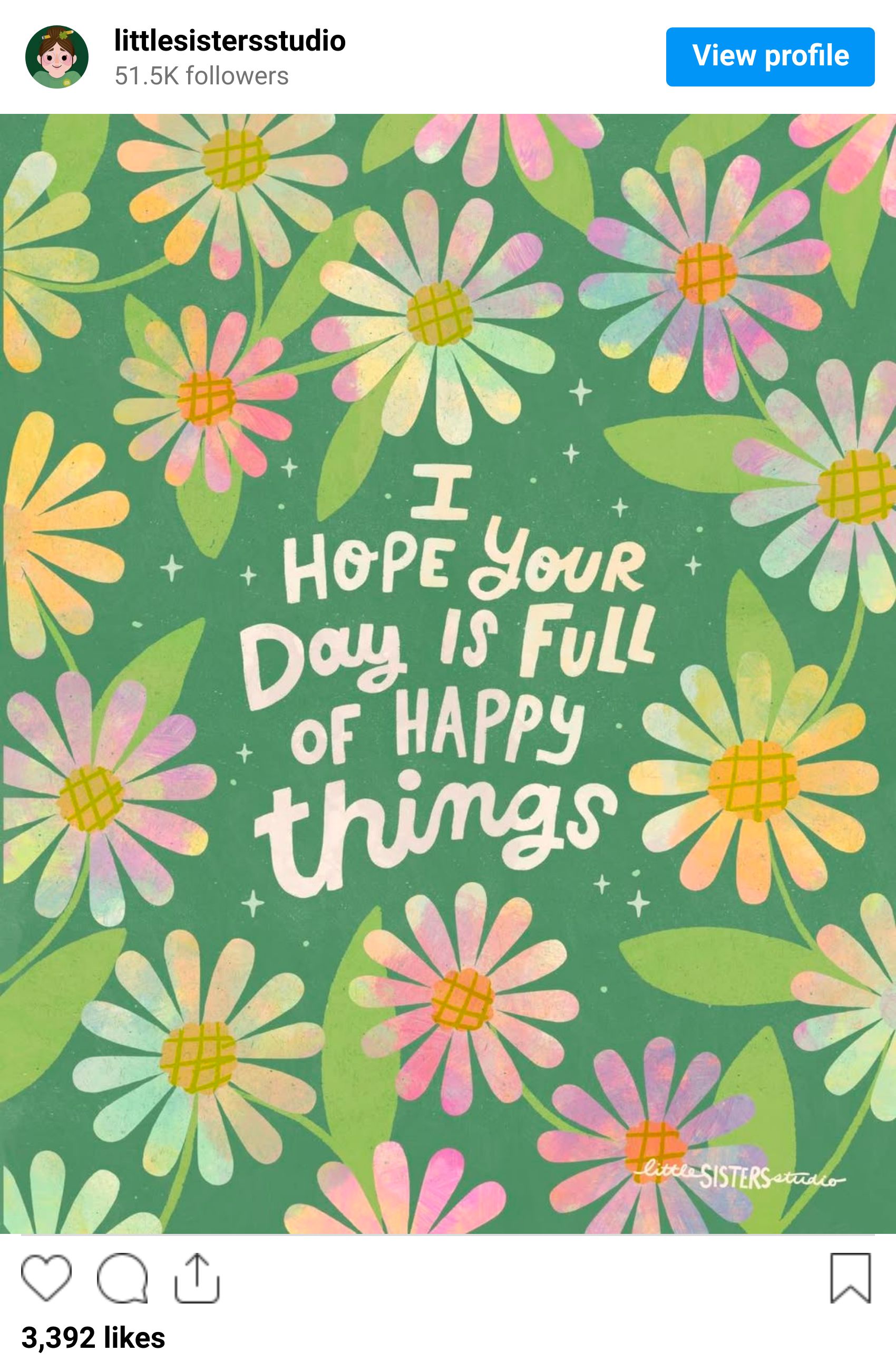
We were reminded that sometimes the best thing you can do is solve the problem right in front of you. (Instagram)
Partners In Health is hosting a World TB Day livestream featuring TB experts and activists on March 24 at noon ET. (act.pih.org)
Humans are hosting a writing contest to find the best document to send to aliens, and there’s a prize for the winner. (dearaliens.net)
Please send us stuff you think we should feature to [email protected]

In 2025, solar and wind produced more electricity than fossil fuels in the European Union
Hannah Ritchie and Pablo Rosado

Just a decade ago, almost three times as much electricity in the European Union was coming from fossil fuels as from solar and wind.
But last year, for the first time, solar and wind produced more than coal, gas, and oil combined. They accounted for just over 30% of total electricity production.
You can see this rise of solar and wind — and fossil fuels’ decline — in the chart.
This record happened despite a poor year for wind output due to low wind speeds and a slight increase in gas to compensate for lower hydropower output from dry conditions.
Our World in Data is a UK-based non-profit organization that publishes research and data to make progress against the world’s largest problems. You can find more of their data insights here. Want to receive even more Data Insights like this from Our World in Data directly in your inbox every few days? Sign up for their newsletter!

This Week at Complexly
We know smoking causes cancer. But the journey to that knowledge is way wilder than you think. In our last episode of Crash Course Scientific Thinking, we’ll explore what happens when scientific research clashes with public opinion, individual values, and corporate interests.
At the Solnhofen formation in Germany, over 500 fossils of 15 pterosaur species have been found. But it might be hiding a dark secret, one that’s been massively distorting our view of who was living and dying there, and why they left so much evidence behind.

Some Games to Play!
SpellCheck.xyc (by Answer in Progress)

This Gubbins postcard was made by Gia. Send yours to [email protected]
If you post your results on social media, we’d love it if you post a link for folks to subscribe to “We’re Here” (https://werehere.beehiiv.com/subscribe)

Good Things Are Happening
Last week, we featured an email from the We’re Here inbox about a “good things always happen to me” list, and encouraged readers to join in! Thank you to everyone who shared their list with us.
My favorite item on my list is a good thing that happened to someone else that I got to watch.
I had just parked in my local library parking lot, and I looked up to catch a kid (probably between 8 and 12 years old) running down the front steps while pumping a stack of books over his head like it was a trophy he just won. Every time I remember it, the memory fills me with my own childhood joy of getting a new stack of books from the library.
My good things are always happening to me list:
When my kids come up to give me a completely unexpected hug.
When the sun shines.
Your silly best mate that you fancied in high school? Yeh you married them.
That first, slow-sipped morning coffee.
Spring flowers, crocuses and daffodils are sprouting!
I call my list “joys that are mine”.
I started in the pandemic when it felt like everything was out of our control, and these little things were mine.
peonies in spring
poetry
the smell of rain on concrete
giving good gifts
“My path of transformation is self nurturing”
good coffee
fireplaces
games with friends
surprise dinner dates in Vancouver
pumpkin carving
good craft beer
introspective conversations
Leslie Odom Jr.’s music
the romantic idea of writing a book
french fries and fried chicken
records in the living room
open windows in spring
iced coffee…
the list goes on ♥️
I love Nancy’s list idea and have something I can add to it immediately. I have been in corporate America for about 8 years (straight out of college) and have felt miserable for a bit. I volunteered for a long time with a local food bank and then started volunteering with the Red Cross Jan 2025. After about a year of applying to non-profit jobs with no luck, I received an interview invitation this afternoon with the Red Cross! In the face of so much sad happening, it’s hard to find the good, but it’s there if you look hard enough!
Good things are always happening to me
My cat snored while sleeping in my office
My five month old daughter laughed
I thrifted a beautiful dress
I was able to drink my coffee while it was still hot
My shower was warm
I got to eat pizza with my husband
Leeks are in season
The weather is slowly warming
My daughter fell asleep in my arms
This week’s episode of Perfect Person made me belly laugh for the first time in a long time
I was able to find some of my favorite books from my childhood to read with my daughter
A book I’ve been looking forward to reading came in at the library
I have found my perfect combination of blankets and pillows for comfortable sleep
I started writing the story I have percolating in my head and I actually enjoy reading it back
Good things are always happening to me
It stopped raining in time for my walk last night
Getting invited on a coffee date with pastries, deep conversations, laughter and lots of “me too!” exclamations
My mum texted to invite me for dinner next week when my husband is out of the country
My children are giggling in their room
A dad from my daughters nursery overheard that I had a flat tyre on my bike and then dropped by and fixed it for me
All the magnolias are blooming and it is making me so happy
Keats & Co subscribers will get an exclusive video from John on World TB Day

Poet John Keats died of tuberculosis at the tender age of 25. He was a prolific poet whose life was cut short by the disease. John Green loves his poetry very nearly as much as he hates tuberculosis, which is why we created Keats & Co Coffee & Tea, named after John Keats, with the promise that 100% of profits fund TB testing and treatment.
On World Tuberculosis Day (Tuesday, March 24th), we will send our coffee and tea subscribers an exclusive video of John Green reading his favorite John Keats poem. Not subscribed? You can still get in on the fun. Receive delicious tea or coffee, help fight TB, and get a bit of Keats as a treat. Shop tea and coffee.
What are your top priorities, and how do you make sure you’re paying attention to those things instead of everything else that steals your time? Tell us about it!
Send your priorities to [email protected].

